
By Abigail I. Ijai
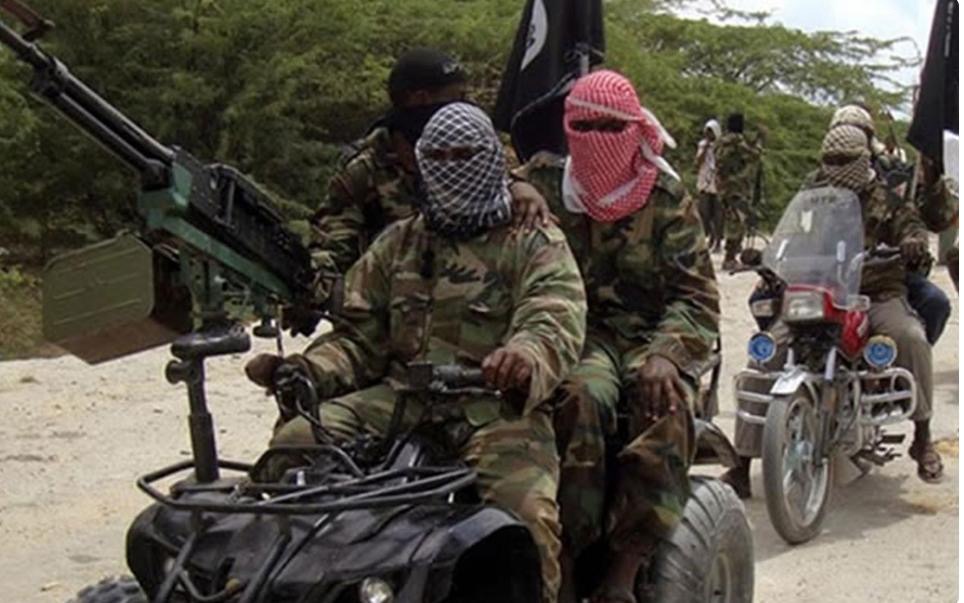
Ongoing security threats hit Borno State as suspected Boko Haram and ISWAP fighters attacked police stations and communities in Nganzai and Damasak, killing security personnel and alarming residents.
In the past week, a series of violent assaults by extremist groups in northeastern Nigeria have raised concerns about public safety, governance, and counter‑insurgency effectiveness. What began as isolated attacks has deepened into a sustained pattern of violence, affecting both security forces and civilians.
Several factors contribute to the rise in insurgency in Borno State. The insurgents exploit geographical vulnerabilities, including remote areas with limited police presence.
As reported by Channels Television, ASP Nahum Kenneth Daso said, “On 4th April 2026, at about 0100hrs, armed terrorists suspected to be members of Boko Haram/ISWAP attacked the Nganzai Divisional Police Headquarters in an attempt to overrun the town.”
Economic hardship also fuels the crisis. Many communities face poverty and lack access to education or healthcare, leaving residents vulnerable to extremist influence.
Similarly, Punch Newspaper reports that Daso stated, “The Borno State Police Command has successfully repelled coordinated terrorist attacks on Nganzai and Damasak communities, restoring normalcy and reinforcing security deployments in the affected areas.”
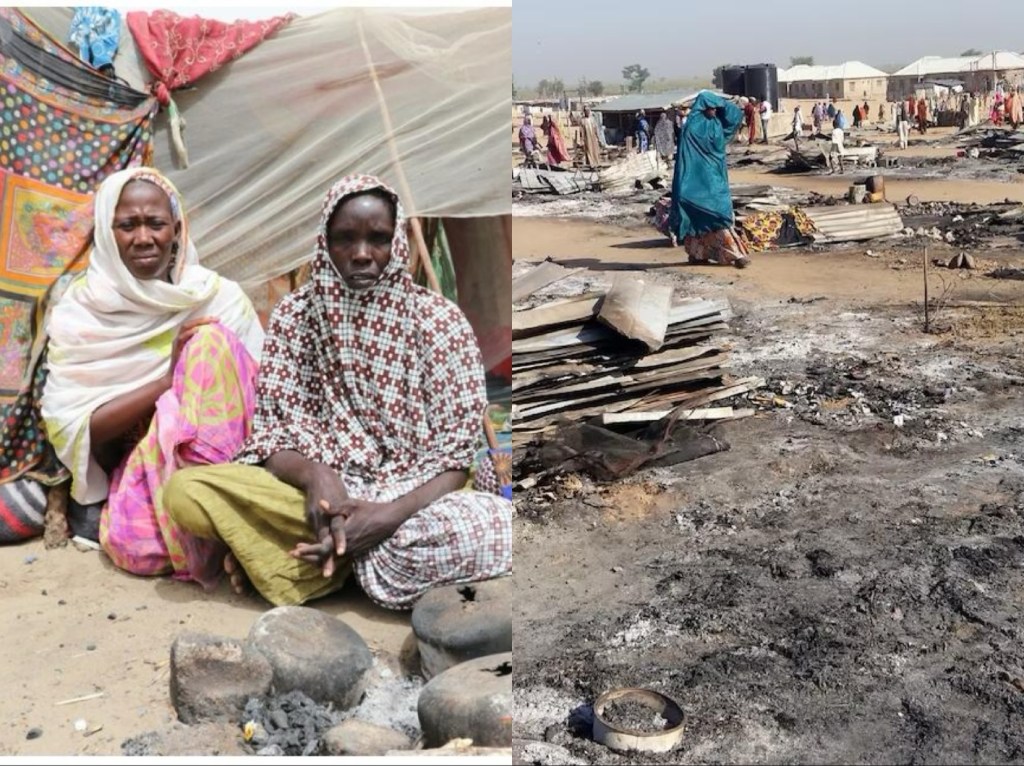
The attacks have caused deaths and fear among residents.four police officers and one local hunter were killed, while joint security teams responded and repelled the attackers.
Markets, schools, and daily life have been disrupted, with residents avoiding unsafe routes. Longer-term risks include displacement, economic disruption, and declining trust in authorities if insecurity continues.
Experts and community leaders recommend better coordination among police, military, and civilian groups to improve rapid response. Intelligence sharing and community engagement can help prevent attacks and build trust.
Investing in youth programs, education, and local infrastructure is suggested to reduce extremist recruitment and support long-term stability.
The recent attacks in Nganzai and Damasak are part of a broader, ongoing security challenge in Borno State. Without better coordination, community engagement, and socio-economic improvements, these patterns of violence are likely to persist. Security forces continue to adapt, but lasting peace will require joint efforts by authorities and residents.


 Nova Pulse Times
Leave a reply to Haruna Andrew Cancel reply