
By Praise Adegoriola
The Nigerian naira recorded mixed performance on Tuesday, appreciating slightly in the parallel market while weakening in the official foreign exchange window.
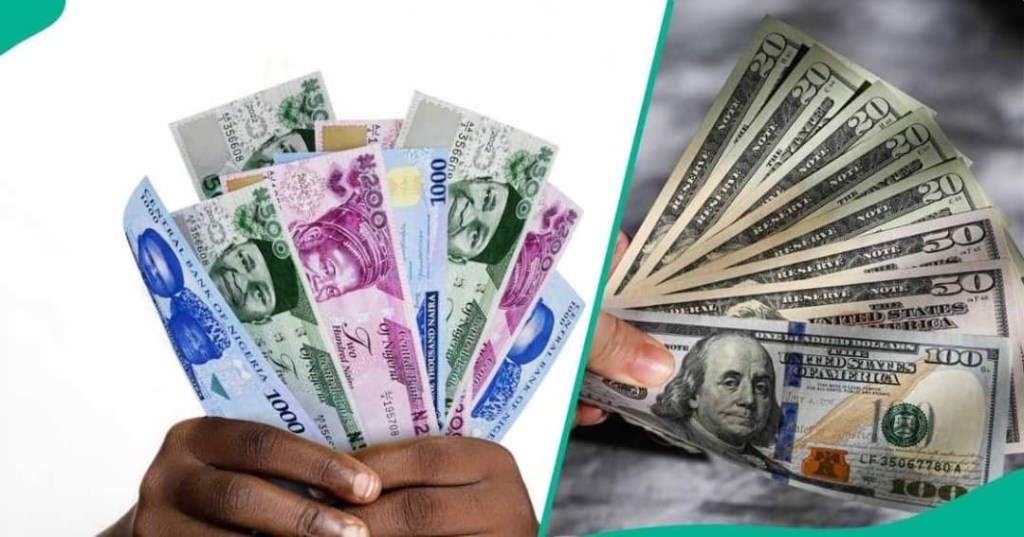
The currency strengthened to ₦1,390 per dollar in the parallel market, improving from ₦1,392 per dollar recorded on Monday.
However, at the Nigerian Foreign Exchange Market (NFEM), the naira depreciated to ₦1,383 per dollar, compared to ₦1,369 per dollar the previous day.
According to data released by the Central Bank of Nigeria, the indicative exchange rate rose by ₦14, reflecting the currency’s decline in the official market.
The development also led to a narrowing of the gap between the parallel and official exchange markets, which reduced to ₦7 per dollar from ₦23 per dollar on Monday.
Meanwhile, activity in the interbank foreign exchange market improved, with total turnover rising by 28.8 percent to $98.8 million, up from $76.7 million.
This situation highlights the continued volatility of Nigeria’s exchange rate system, where the naira often performs differently across multiple markets.
For many Nigerians, this mixed movement raises concerns about the stability of the currency and its impact on daily living. A weaker naira in the official market can increase the cost of imports, potentially leading to higher prices of goods and services.
At the same time, the slight appreciation in the parallel market may offer temporary relief, but it does not fully address broader economic challenges such as inflation and foreign exchange supply shortages.
This development also raises key economic questions: Why does the naira behave differently across markets? What measures can ensure a more stable and unified exchange rate system?
Overall, the naira’s performance reflects ongoing pressures in Nigeria’s economy, where efforts to stabilise the currency must balance market forces, policy decisions, and investor confidence.


 Nova Pulse Times
Leave a reply to Jennifer Innocent Cancel reply